
Why You Can’t Create
Overcoming Your Brain’s Fear of Creativity

Struggling with unfinished projects? Your brain’s ancient survival reflex mistakes creativity for danger. Learn how to break through creative blocks.
The Graveyard of Unfinished Projects
Many of us have a graveyard of unfinished creative projects—half System: -written stories or drafts gathering dust on our desks, art supplies still sealed in their boxes, and online courses we started but never completed. These abandoned efforts pile up, leaving us frustrated and wondering why we can’t follow through.
You might blame external factors for these creative blocks:
“I need better tools or equipment.”
“I’m not feeling inspired right now.”
“I’m just too lazy to create.”
These are excuses, masking the real reason behind your struggle to create.
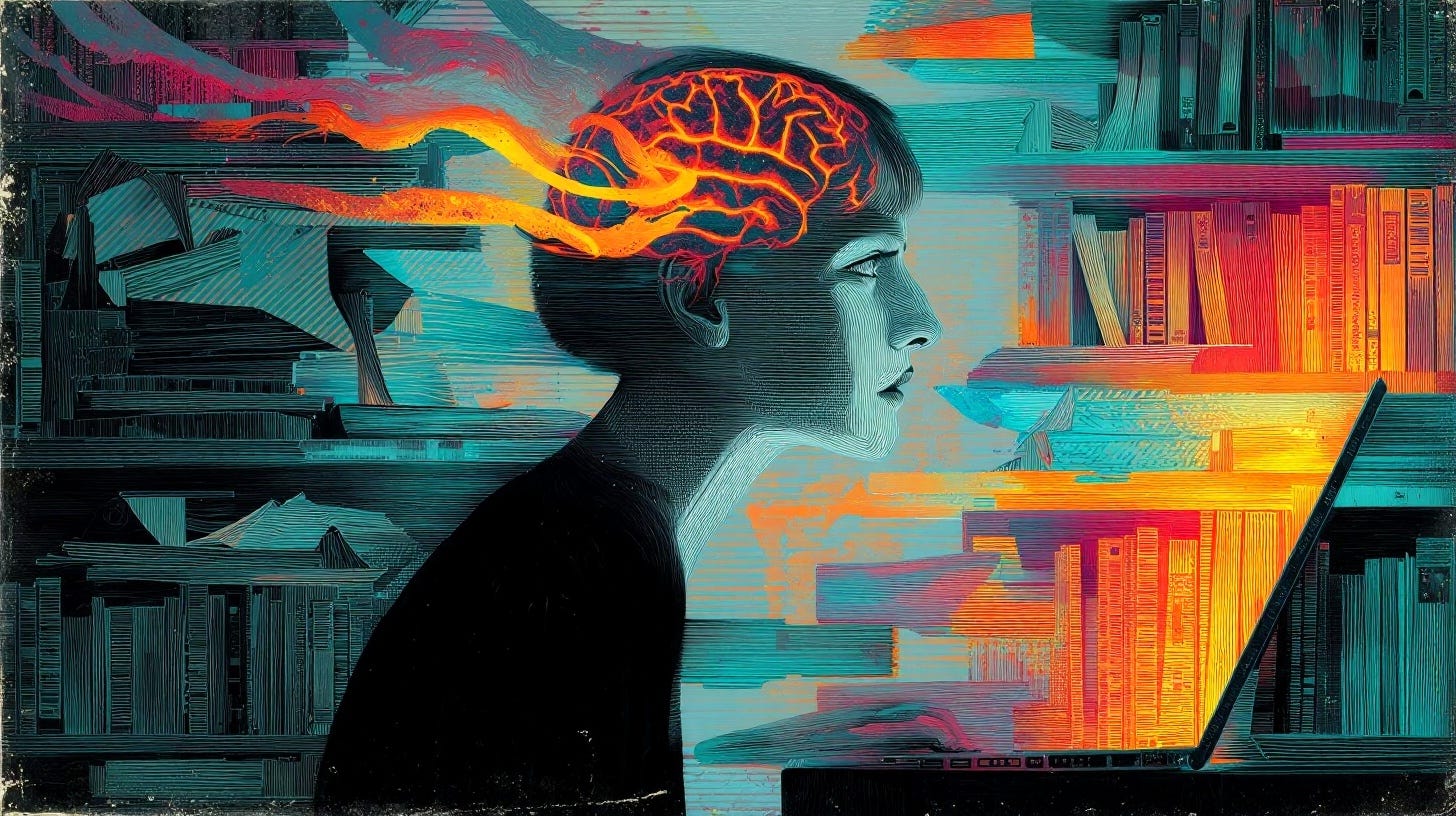
Why You Can’t Create: Your Brain’s Fear Response
The one reason you can’t create? Your brain is wired to protect you from danger, and it sees creativity as a threat. Creating something new—whether it’s a painting, a story, or a business idea—exposes you to vulnerability. Sharing your work risks judgment, failure, or rejection, which your brain’s ancient survival reflex interprets as dangerous.
This fear response, rooted in our evolutionary past when social rejection could mean exile or death, triggers:
Procrastination: Avoiding work to dodge risk.
Self-Doubt: Questioning your skills to lower expectations.
Perfectionism: Obsessing over details to delay sharing.
The Science Behind Creative Blocks
Your brain processes social rejection using the same pain pathways as physical injury. Neuroscientists confirm that criticism or failure feels like physical pain to your biology, making sharing your creative work feel inherently risky [1]. This isn’t a personal flaw or lack of discipline—it’s how your brain’s survival system operates.
Subscribe for More AI Creative Workflows.
Get it straight to your inbox. AI creative workflows, prompt direction guides, and GenAI production systems.
A Real-Life Example: Walt Disney’s Triumph Over Fear
Walt Disney faced these same creative blocks. Early in his career, he was fired from a newspaper for “lacking imagination” and saw his first animation company go bankrupt. Despite repeated rejections, Disney persisted, viewing failures as stepping stones. His resilience led to the creation of Mickey Mouse and the global Disney empire, showing that overcoming your brain’s fear response can unlock extraordinary creativity [2].
How to Overcome Your Brain’s Fear of Creativity
You can train your brain to see creativity as safe. One practical tip is to start small by sharing your work with one or two trusted friends. Their supportive feedback builds confidence, gradually reducing your brain’s fear of exposure. As you gain comfort, expand your audience to rewire your nervous system and make creating feel less threatening [3].
In Simple Terms
Struggling with unfinished projects like half-written drafts or unopened art supplies? Your brain thinks sharing your work is dangerous, like physical pain. It’s not about being lazy or untalented—it’s your brain’s way of keeping you safe. Walt Disney overcame this fear by persisting through failure. Start small: share your work with trusted friends, then grow from there. This trains your brain to see creativity as safe, letting your ideas shine.
Citations
Kross, E., Berman, M. G., Mischel, W., Smith, E. E., & Wager, T. D. (2011). Social rejection shares somatosensory representations with physical pain. Proceedings of the National Academy of Sciences, 108(15), 6270-6275. https://www.pnas.org/content/108/15/6270
Biography.com Editors. (2023). Walt Disney Biography. Biography.com. https://www.biography.com/business-leaders/walt-disney
Seppala, E. (2018). Overcoming Fear of Failure. Psychology Today. https://www.psychologytoday.com/us/blog/creative-explorations/201806/overcoming-fear-failure